
Mercedes-Benz SUV Cargo Space Guide: GLA vs GLB vs GLC vs GLE vs GLS
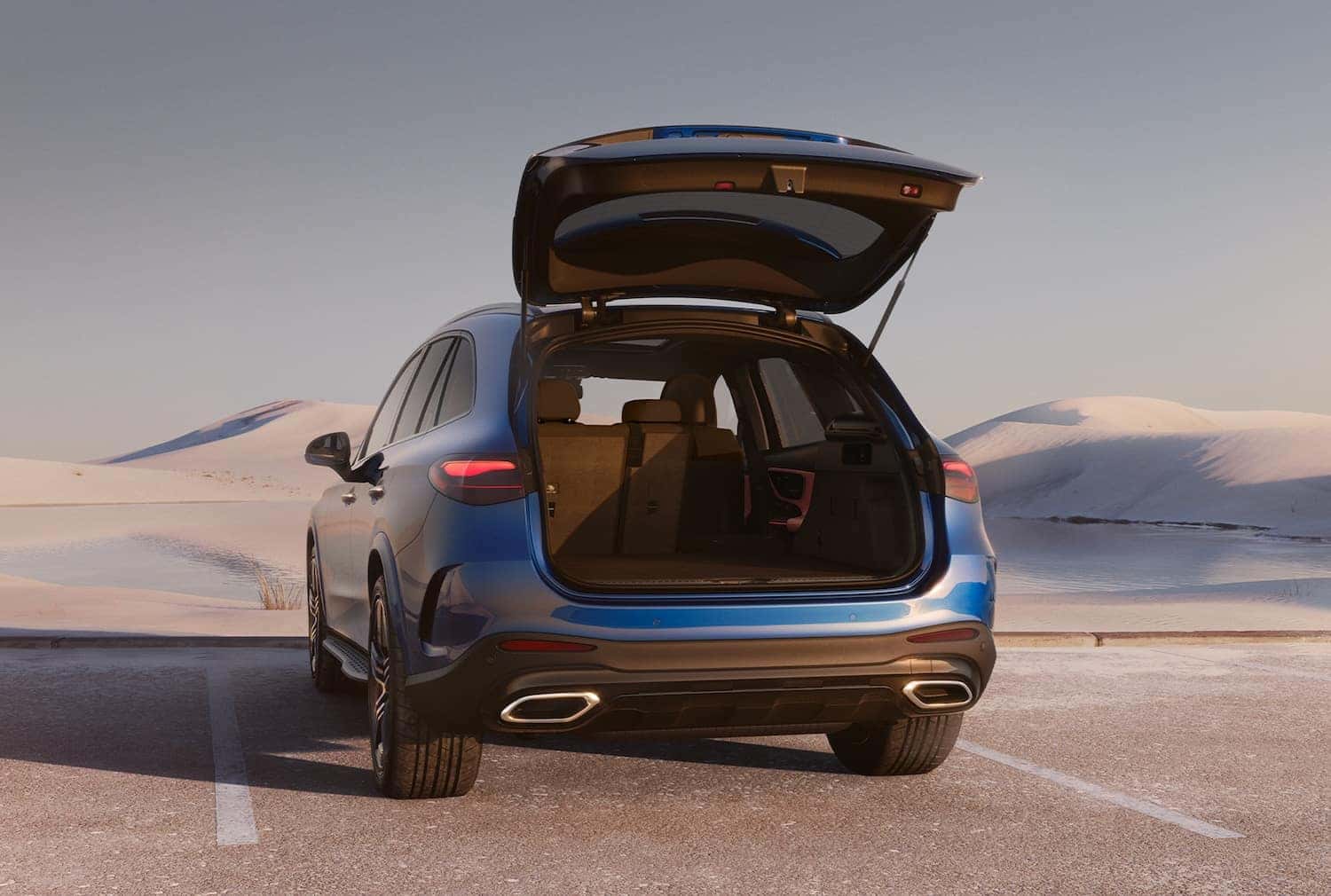
Picking a Mercedes-Benz SUV isn’t just about styling or performance. Cargo space is what actually settles the decision for a lot of shoppers who come through our doors. Whether you’re hauling groceries from Woodfield Mall, loading hockey bags for a weekend tournament, or packing for a run up to Wisconsin, having the right amount of room in your SUV makes daily life a lot smoother.
This guide breaks down the GLA, GLB, GLC, GLE, and GLS by the numbers, so you can match a model to how you actually live. If you want to see the current lineup while you read, you can browse our new vehicle inventory anytime.
Finding the Right Mercedes-Benz SUV Size for Your Chicagoland Lifestyle
Every Chicagoland driver has different priorities. Someone commuting on I-90 through Schaumburg and Palatine needs a nimble SUV that’s easy to park downtown, while a family in Arlington Heights hauling sports equipment every weekend needs serious room.
When we walk customers through the lineup, we ask how often they’re carrying passengers versus gear, whether a third row matters, and how winter weather factors into their driving. Chicagoland winters mean bulky coats, boots, and sometimes ski or snowboard gear, and that changes how much space you really need week to week. Thinking through these habits first makes the model comparison below much easier to apply to your own life.
How to Think About Cargo Space Beyond the Spec Sheet
Cargo cubic footage tells part of the story, but it’s not the whole picture. Two SUVs with similar numbers can feel completely different once you’re loading a stroller or a set of golf clubs. A little context on how these numbers translate to real-world use goes a long way before you commit to a model.
Seats-Up vs. Seats-Down Capacity
Most buyers fixate on the maximum seats-down figure, but real life usually involves passengers and cargo at the same time. Seats-up capacity matters more if you regularly drive with a full car, while seats-down numbers matter more for occasional big hauls like furniture runs or Costco trips. Looking at both figures together gives a far more honest sense of what an SUV can handle on a typical Tuesday.
Cargo Shape and Everyday Usability
Volume alone doesn’t guarantee usability. A boxier cargo area handles awkward items, like a car seat box or a cooler, better than a sloped one, even at similar cubic footage. Loading and organizing your stuff comes down to details like a low liftover height, an adjustable load floor, underfloor storage compartments, and 40/20/40-split folding rear seats. These are the details where the Mercedes-Benz lineup tends to set itself apart beyond raw cargo dimensions.
Mercedes-Benz SUV Cargo Space Comparison at a Glance
Here’s how the current lineup compares side by side, using verified specifications as of the latest available information.
Mercedes-Benz GLA: Compact Cargo Space for City Errands and Commuting
The GLA is our smallest SUV, built for drivers who value maneuverability over maximum hauling power. GLA cargo space comes in at 15.4 cubic feet behind the rear seats, expanding to 50.5 cubic feet when you fold the 40/20/40-split rear seats flat. That’s plenty of room for grocery runs, gym bags, or a Target haul. Fold the rear seats and you have 50.5 cubic feet, which handles a Costco run or a set of golf clubs without drama.
Mercedes-Benz GLB: Small SUV with Surprising Versatility
The GLB looks compact on paper, but the numbers punch above its size class. With 62.0 cubic feet of cargo space when the rear seats fold down, the GLB holds its own against bigger-looking rivals, and the boxy shape means you actually get to use it. It seats five standard, with an optional third row bringing capacity to seven, though cargo space drops to 12.4 cubic feet when that third row is in use. The boxy shape, low liftover, and standard power liftgate make it easy to load bulky items like sports duffels or a folded stroller without wrestling with an awkward opening. You can review the complete GLB dimensions for a closer look at its interior and exterior measurements.
Mercedes-Benz GLC: Balanced Cargo Space for Everyday Life and Weekend Trips
The GLC hits a sweet spot for many of our customers. GLC cargo space measures 21.9 cubic feet behind the second row, growing to as much as 56.3 cubic feet with the seats folded. That puts GLC cargo space and GLB cargo space fairly close to each other, so the decision often comes down to ride height and on-road feel rather than a dramatic capacity gap. The GLC benefits from 40/20/40-split rear seatbacks that lower nearly flat at the push of a button in the cargo area, plus a lockable underfloor storage compartment that’s handy for keeping valuables or a phone charger out of sight during weekend trips.
Mercedes-Benz GLE: Expanded Room for Family Gear and Road Trips
Step up to the GLE and cargo space jumps noticeably. GLE cargo space offers 33.3 cubic feet behind the second row and 74.9 cubic feet with the seats folded down. That’s a substantial gap over the GLC, making the GLE a strong fit for families who need to haul more than groceries on a regular basis. It seats five standard, with a third-row package available that adds 6-way power second-row seats along with power-folding functionality, so getting to that third row for extra passengers or extra cargo room is far less of a hassle.
Mercedes-Benz GLS: Maximum Cargo Capacity for Big Families and Travel
The GLS sits at the top of our SUV lineup, and its cargo space reflects that. With all three rows in use, GLS cargo space measures 17.4 cubic feet, still enough for daily errands with a full house. Behind the second row, GLS cargo space opens up to 48.7 cubic feet, and folding both rear rows unlocks a maximum of 84.7 cubic feet. It seats seven as standard, comes with a hands-free power liftgate for when your arms are full, and features power-folding 50/50-split third-row seats. Properly equipped, it can tow up to 7,700 pounds, which matters if you’re pulling a boat or camper to Wisconsin Dells. The GLS SUV research guide provides more information about its passenger space, utility features, and capability.
Matching Cargo Needs to the Right Model
Best for Daily Errands Around Hoffman Estates
If your driving is mostly commuting, school pickups, and quick errands around Hoffman Estates or Schaumburg, the GLA or GLB make the most sense. Both are easy to park, quick to maneuver through Woodfield Mall traffic, and offer enough cargo room for typical daily needs without the bulk of a larger SUV.
Best for Road Trips, Sports Gear, and Strollers
For families juggling hockey bags, strollers, and road trips to Michigan or Wisconsin, the GLE and GLS are the stronger picks. Their expanded cargo volumes and flexible seating configurations handle bulky gear without forcing you to choose between passengers and cargo. If your needs go beyond even the GLS, our Sprinter van lineup is worth a look for genuine commercial-scale hauling.
For buyers weighing budget against configuration, our certified pre-owned inventory includes GLE and GLS models with warranty coverage and a thorough inspection process.
Compare Mercedes-Benz SUVs in Person at Mercedes-Benz of Hoffman Estates
Specs only tell you so much. The best way to know how Mercedes-Benz SUV cargo space feels in real life is to load your own gear into a few models and see how they compare.
Visit Our Team
Our team at Mercedes-Benz of Hoffman Estates can walk you through GLA, GLB, GLC, GLE, and GLS configurations side by side, and as part of Zeigler Auto Group, we can also tap into broader inventory if the exact trim or color you want isn’t on our lot yet.
Visit or Contact Us
Stop by at 1000 West Golf Rd, Hoffman Estates, IL 60169, or call our sales team at 847-885-7000. We’re open Monday through Thursday from 9:00 am to 7:00 pm, and Friday and Saturday from 9:00 am to 6:00 pm. Ready to talk financing? You can apply for financing online, or contact us with any questions before your visit.
Frequently Asked Questions About Mercedes-Benz SUV Cargo Space
Which Mercedes-Benz SUV has the most cargo space?
The Mercedes-Benz GLS has the most cargo space in this comparison, offering up to 84.7 cubic feet with the second and third rows folded. It also provides 48.7 cubic feet behind the second row and 17.4 cubic feet when all three rows are in use.
Which compact Mercedes-Benz SUV has the most cargo room?
The Mercedes-Benz GLB offers the most maximum cargo room among the compact models in this guide. It provides up to 62.0 cubic feet with the rear seats folded, compared with 56.3 cubic feet in the GLC and 50.5 cubic feet in the GLA.
Which Mercedes-Benz SUVs offer three rows of seating?
The Mercedes-Benz GLB offers an optional third row, the GLE can be equipped with an available third-row package, and the GLS includes three-row seating as standard equipment.
Should a family choose the Mercedes-Benz GLE or GLS for cargo space?
The GLE is a strong choice for families that need substantial cargo room but do not always require three rows. The GLS provides more maximum cargo capacity and standard seating for seven, making it better suited to larger families or frequent travel with passengers and gear.
0 comment(s) so far on Mercedes-Benz SUV Cargo Space Guide: GLA vs GLB vs GLC vs GLE vs GLS