
Winter Tires vs All-Season Tires for Chicagoland
- Winter tires offer 40% shorter braking distances on ice compared to all-season tires.
- Specialized rubber compounds remain flexible below 45°F, whereas all-seasons harden like hockey pucks.
- 4MATIC® all-wheel drive helps you accelerate, but only winter tires improve your stopping power.
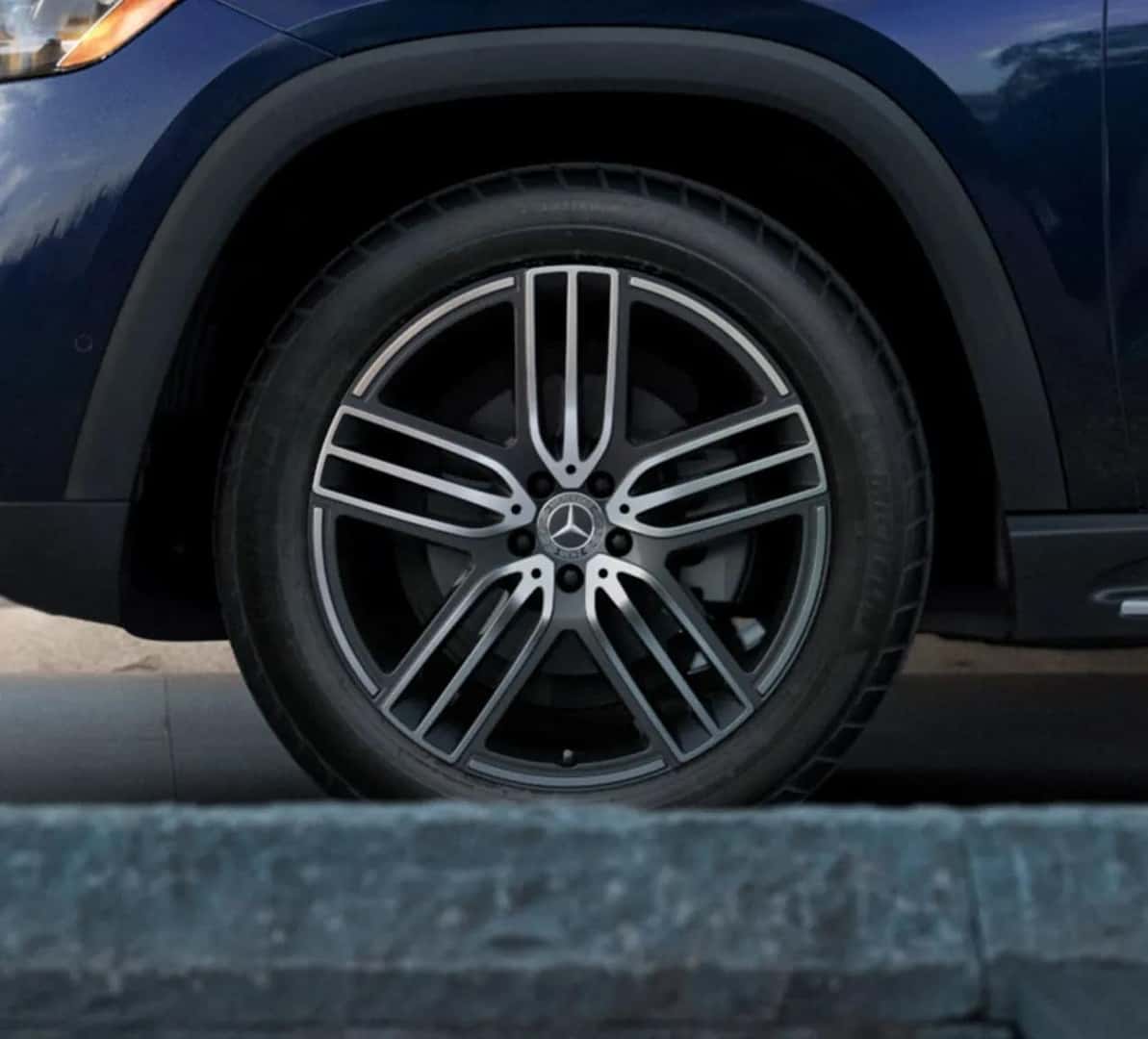
Winter Tires vs All-Season Tires for Chicagoland
Choosing the right tires for Chicago winters isn’t just about preference; it’s about safety. When temperatures plummet and snowplows start their endless loops through Hoffman Estates and Schaumburg, the difference between winter and all-season tires can mean the difference between getting home safely or sliding through an intersection.
Understanding these differences helps you make the right call based on how you actually drive and what Chicago’s unpredictable winters throw at you.
Understanding Winter Tires vs All-Season Tires: The Key Differences
These aren’t just different labels slapped on similar products. Winter tires and all-season tires get engineered for completely different purposes, and those differences become crystal clear the moment road conditions take a turn for the worse.
Rubber Compound and Cold-Weather Performance
Here’s where the rubber meets the road, literally. Winter tires use a specialized rubber compound that stays pliable when temperatures drop below 45°F. This flexibility lets them maintain a solid grip on cold pavement, ice, and packed snow. All-season tires? They’re built with a harder compound that basically turns into a hockey puck once it gets cold enough, drastically reducing their ability to grab onto slick surfaces.
Tread Design and the Three-Peak Mountain Snowflake Symbol
Winter tires don’t mess around with their tread patterns. You’ll see aggressive designs packed with deeper grooves, countless biting edges, and something called sipes (those tiny slits that create additional gripping surfaces). All of this works together to push away snow and slush while keeping you planted on ice.
All-season tires take a middle-of-the-road approach with symmetrical designs that handle various conditions without being great at any one thing. Their shallower grooves and limited siping just can’t keep up when Mother Nature gets serious.
That Three-Peak Mountain Snowflake (3PMSF) symbol you might notice on winter tire sidewalls? It’s not just marketing. This certification means the tire actually passed specific traction tests in snow conditions and meets real industry standards for severe winter weather.
Complete Performance Comparison
|
Aspect |
Winter Tires |
All-Season Tires |
|
Rubber Compound |
Softer, stays flexible below 45°F for superior cold-weather traction |
Harder, balances summer/winter but stiffens below freezing |
|
Temperature Range |
Optimized for 45°F and below |
Broad range, reduced capability in very cold temps |
|
Tread Design |
Deeper treads, extensive siping for snow/ice evacuation |
Balanced treads with less aggressive siping |
|
Certification |
Often 3PMSF symbol for severe snow traction |
M+S rating common, not severe snow certified |
|
Seasonal Performance |
Superior in cold, snow, ice, slush |
Adequate in mild conditions, compromised in severe cold |
|
Cost Considerations |
Higher upfront (two sets), seasonal swaps needed |
Lower initial cost, no seasonal changes |
How Chicagoland Winter Conditions Challenge Your Tires
Chicago winters are notorious for their mood swings. You might deal with snow, ice, slush, and wild temperature swings all in a single day, creating the kind of challenging conditions that really separate good tires from great ones.
Performance on Snow, Ice, and Freezing Temperatures
Winter tires absolutely dominate in these conditions. When temperatures stay consistently below freezing, they deliver superior grip and dramatically shorter stopping distances compared to all-season tires. Here’s a real eye-opener: braking tests show winter tires stop from 12 mph on ice in roughly 34 feet, while all-season tires need about 57 feet. That’s a 23-foot difference that could be the difference between a close call and calling your insurance company.
Think about those treacherous spots you know well: black ice on I-90 corridor bridges, freezing rain that makes everything slippery, or those polished ice patches at busy intersections near Woodfield Mall. Winter tires keep their grip in these scenarios, while all-season tires progressively lose their effectiveness as the mercury drops.
Handling Slush, Wet Roads, and Temperature Fluctuations
Chicago’s notorious temperature swings create some of the most dangerous driving conditions you’ll encounter. Daytime warmth melts accumulated snow, turning streets into slushy messes with standing water. Then overnight temperatures drop, turning everything back into ice. This cycle repeats all winter long.
Slush is particularly nasty because it combines water’s hydroplaning risk with snow’s traction-killing properties. Winter tires channel this mixture away from where your tire contacts the road much more effectively than all-season tires can manage. Their deeper treads also prevent that dangerous slush buildup that completely eliminates grip.
When Winter Tires Make Sense for Chicagoland Drivers
Some driving situations practically demand winter tires if you want to stay safe. If you’re regularly out there when temperatures consistently hover below 45°F, winter tire compounds will outperform all-season alternatives even on dry pavement.
Daily commuters who drive regardless of conditions see the biggest benefits from investing in winter tires. These tires give you the confidence and capability to handle snow-covered streets during your morning commute, navigate those sketchy ice patches on highway ramps, and actually stop safely at intersections despite slippery conditions. If you’d like to talk about which tires work best for your specific commute, schedule your tire consultation with our service center.
Drivers who prioritize maximum safety will discover that winter tires deliver measurable improvements in vehicle control. This becomes really important for rear-wheel drive Mercedes-Benz models, which can be trickier to handle in winter conditions. Winter tires specifically engineered for your vehicle’s weight distribution and power delivery maximize these safety benefits. Even Mercedes-Benz vehicles equipped with 4MATIC® all-wheel drive gain enhanced capability when paired with winter tires, since AWD systems help with acceleration but don’t do much for stopping distance.
When All-Season Tires Are Sufficient for Chicago Winters
Not every Chicagoland driver faces the same winter challenges. Some situations allow all-season tires to provide adequate performance, though you need to be honest about your driving patterns and risk tolerance.
If your area experiences relatively mild winters with just occasional light snowfall, and temperatures rarely stay below freezing for extended stretches, all-season tires might meet your needs. Drivers who significantly cut back on winter driving or have the flexibility to stay home during severe weather might find all-season tires sufficient for their limited exposure.
Low-mileage drivers who primarily make short trips in urban areas with aggressive snow removal might manage adequately with all-season tires. City streets in downtown Chicago and major suburban roads get priority treatment during snow events, which helps level the playing field somewhat.
But here’s the thing: unexpected snowstorms happen. Conditions can deteriorate rapidly, and sometimes you absolutely need to drive during poor weather. These situations can push all-season tire capabilities well past their limits. You must honestly assess your willingness to avoid driving during severe weather and your confidence handling challenging conditions with reduced traction.
The Cost-Benefit Analysis: Investment, Value, and Storage Considerations
The Financial Case for Winter Tires
Let’s talk numbers, because the financial aspect matters when you’re deciding between winter and all-season tires. Your upfront investment includes tire costs, potentially a second set of wheels for easy seasonal swapping, installation fees twice yearly, and storage solutions for whichever set you’re not using.
Winter tires do cost more initially since you’re maintaining two sets, but this perspective misses some important factors. Using dedicated winter tires means both sets last longer because neither receives year-round wear. You’re essentially doubling each set’s lifespan, which changes the math considerably.
The safety benefits carry value that’s tough to quantify in dollars. Avoiding even one accident, preventing injury, or simply having greater peace of mind during winter commutes can justify significant investment for many drivers.
Storage Solutions and Protecting Your Investment
Storage considerations vary depending on your situation. Some drivers have garage or basement space for off-season tire storage. Others rely on dealership storage programs, which add convenience and ensure proper storage conditions. We offer storage solutions that maintain tire integrity during off-seasons, protecting your investment year after year.
Premium winter tires from established manufacturers provide superior compounds, more sophisticated tread designs, and better wear characteristics. Since these tires directly impact your safety, it makes sense to think of them as critical safety equipment rather than just another purchase.
Making the Right Choice for Your Driving Situation
Assess Your Driving Conditions and Needs
Your decision should reflect an honest assessment of several key factors. Start by evaluating typical winter weather patterns in your specific area. Northwest suburbs like Hoffman Estates and Schaumburg can experience different conditions than downtown Chicago or lakefront communities. Lake-effect snow, microclimates, and localized weather patterns all influence what you’ll actually encounter during winter driving.
Think honestly about your daily driving patterns. Do you commute during rush hour when roads might not be cleared yet? Does your schedule require early morning or late evening travel when temperatures hit their lowest points? These answers reveal whether winter tire capabilities match what you actually need.
Your vehicle’s characteristics matter significantly. Rear-wheel drive vehicles, including many Mercedes-Benz models, benefit substantially from winter tires. Remember though that 4MATIC® all-wheel drive helps with acceleration but doesn’t improve stopping distance. Winter tires enhance braking and cornering regardless of what drivetrain you’re running.
Choose Tires That Balance Performance and Comfort
Don’t ignore your personal comfort levels with winter driving. If winter tire planning and changing twice annually feels like too much hassle, that’s a legitimate consideration to balance against performance benefits. If you’re unsure which option suits your situation, contact our team to discuss your specific needs.
Mercedes-Benz winter tires engineered specifically for your vehicle optimize handling characteristics, maintain that precise steering feel you expect, and preserve the driving dynamics that made you choose your vehicle in the first place. Manufacturer-recommended options ensure winter capability doesn’t compromise the qualities you value most.
Schedule Your Winter Tire Consultation at Mercedes-Benz of Hoffman Estates
Expert Guidance for Your Specific Needs
Understanding tire differences on paper is one thing; figuring out the right choice for your actual situation is another. Our experienced team brings practical knowledge about Chicagoland winter conditions and how different tire options perform on the roads you actually drive.
Our certified technicians will assess your vehicle, discuss your typical driving patterns, and recommend tire solutions that balance performance, convenience, and budget. We stock genuine OEM Mercedes-Benz winter tires engineered specifically for your model, ensuring proper fit and preservation of your vehicle’s handling characteristics.
Complete Winter Tire Services
We handle everything beyond tire selection, including installation, seasonal changeovers, and secure storage for off-season tires. Our flexible scheduling works around your calendar, and we can often complete tire changes while you wait.
Don’t wait until the first major snowstorm catches you off guard. Schedule a service appointment to discuss your winter tire options and make sure you’re ready when winter weather arrives, giving you the confidence and capability to handle whatever the coldest months throw at you.
Frequently Asked Questions
When should I switch to winter tires in Hoffman Estates?
You should switch to winter tires once ambient temperatures consistently drop below 45°F. At Mercedes-Benz of Hoffman Estates, we recommend scheduling your changeover in late autumn to avoid the first snowfall rush.
Does my AWD Mercedes-Benz still need winter tires?
Yes. While the Mercedes-Benz 4MATIC® all-wheel-drive system is excellent for acceleration and traction, it does not improve braking distance. Only the specialized tread and rubber of a winter tire can help you stop faster on Chicago’s icy roads.
Can I drive on winter tires all year long in Illinois?
It is not recommended. The soft rubber compound of a winter tire wears down rapidly on warm pavement. For the best performance, switch back to all-season or performance tires once temperatures stay above 45°F.
What does the Three-Peak Mountain Snowflake symbol mean?
This symbol indicates that a tire has been specifically tested and certified to provide superior traction in severe snow conditions, meeting higher standards than standard M+S (Mud and Snow) rated all-season tires.
0 comment(s) so far on Winter Tires vs All-Season Tires for Chicagoland